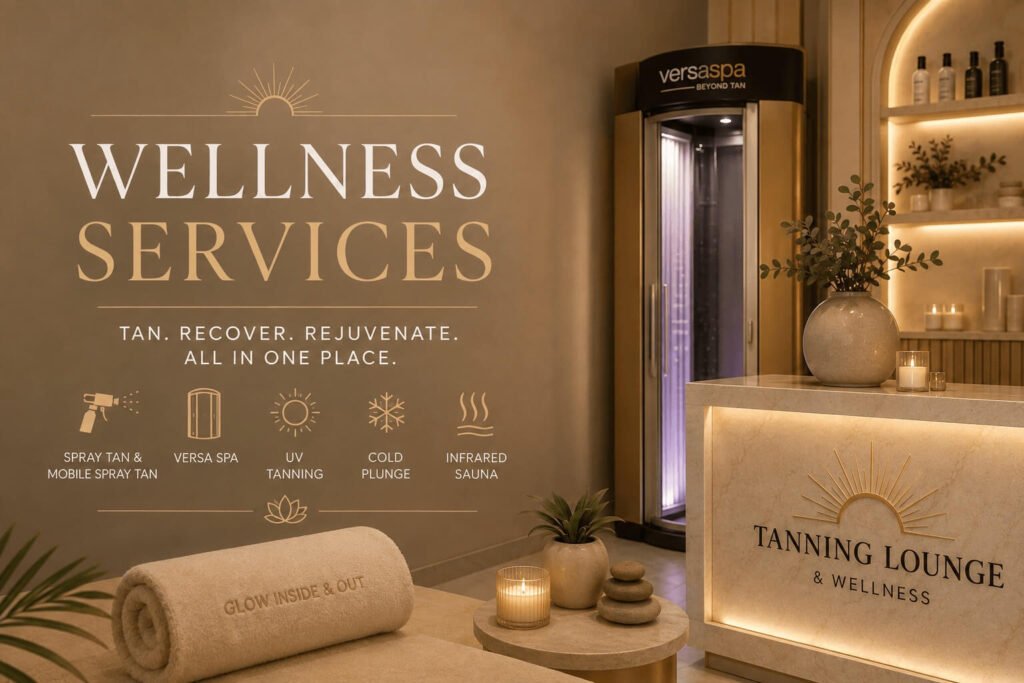
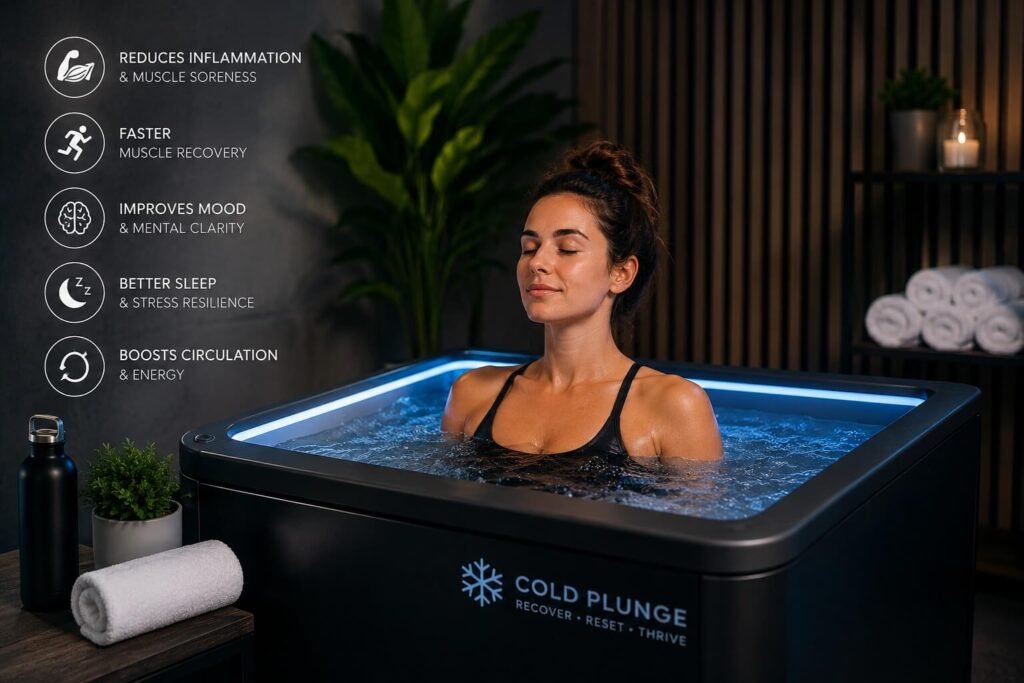
Cold plunge therapy involves briefly submerging your body in water chilled to roughly 39–55°F, and the benefits are well documented: reduced inflammation, faster muscle recovery, improved circulation, better sleep, and a noticeable boost in mental clarity and mood. What used to be a recovery tool reserved for elite athletes has become one of the fastest-growing wellness trends in the country, and Cooper City residents now have access to a private, professionally maintained cold plunge suite without needing a backyard tub or a gym membership. This guide covers exactly how cold plunge therapy works, what the science says about its benefits, how to do it safely, and how to build it into a sustainable wellness routine.
What Is Cold Plunge Therapy?
Cold plunge therapy, sometimes called cold water immersion or ice bath therapy, is the practice of submerging the body in cold water for a short, controlled period, typically two to ten minutes, depending on water temperature and individual tolerance. The practice has roots in centuries-old traditions, from Scandinavian cold water bathing to Japanese misogi rituals, but it has recently gained mainstream popularity thanks to athletes, biohackers, and wellness researchers who have documented its effects on the nervous system, cardiovascular system, and muscular recovery.
Unlike a cold shower, a true cold plunge fully submerges the body, which triggers a more complete physiological response. The sudden temperature change activates the sympathetic nervous system, constricts blood vessels near the skin’s surface, and prompts the body to redirect blood flow toward vital organs. When you exit the cold water and begin to warm back up, blood vessels dilate again, flushing the area with oxygen- and nutrient-rich blood. This cycle of constriction and dilation is central to many of the therapy’s reported benefits.
The Core Benefits of Cold Plunge Therapy
Cold plunge therapy is popular because its effects touch nearly every system in the body. Here are the benefits most commonly reported and studied:
1. Reduced Inflammation and Muscle Soreness
Cold water immersion is widely used by athletes to manage delayed onset muscle soreness (DOMS) after intense training. The cold constricts blood vessels and slows the inflammatory response in overworked muscles, which can reduce swelling and discomfort in the 24 to 72 hours following exercise.
2. Faster Muscle Recovery
Beyond reducing soreness, cold exposure appears to support faster recovery between training sessions by limiting the buildup of metabolic waste in muscle tissue and improving circulation once the body rewarms. This is why cold plunge therapy is a staple recovery tool for runners, weightlifters, and competitive athletes.
3. Improved Circulation
The repeated vasoconstriction and vasodilation triggered by cold exposure acts like a workout for your blood vessels, helping improve circulatory efficiency over time. Better circulation supports everything from skin health to cardiovascular function.
4. Enhanced Mental Clarity and Mood
Cold exposure triggers a significant release of norepinephrine, a neurotransmitter linked to focus, alertness, and mood regulation. Many people describe a noticeable mental “reset” after a cold plunge, along with reduced stress and a lasting sense of calm and clarity that carries through the rest of the day.
5. Better Stress Resilience
Regularly and voluntarily exposing your body to a controlled stressor like cold water can help train your nervous system to regulate itself more effectively under stress. Over time, many people find they respond more calmly to everyday stressors after incorporating regular cold exposure.
6. Improved Sleep Quality
Because cold exposure lowers core body temperature and reduces physical tension, many people report deeper, more restful sleep on days they use cold plunge therapy, particularly when sessions are done earlier in the day rather than right before bed.
7. Boosted Energy and Alertness
The adrenaline and norepinephrine response triggered by cold water immersion produces a natural energy boost that many people compare to a strong cup of coffee, without the crash. This makes a cold plunge a popular way to start the day.
How Cold Plunge Therapy Works in the Body
When your body is suddenly exposed to cold water, it activates a stress response designed to protect your core organs. Blood vessels near the skin constrict to reduce heat loss, your heart rate initially spikes, and your breathing quickens as your body adjusts. This is sometimes called the “cold shock response,” and learning to control your breathing through it is part of what makes cold plunge practice so effective for building mental resilience.
As you adapt to the cold, typically within the first 30 to 60 seconds, your breathing settles and your nervous system shifts from a purely reactive state to a more controlled one. This is the phase where many of the therapy’s benefits take hold: your body is working to regulate itself under stress, and with consistent practice, that regulation becomes easier and faster.
Once you exit the cold water and begin to rewarm, blood vessels dilate and circulation increases throughout the body, delivering oxygen and nutrients to tissues that were previously constricted. This rewarming phase is where much of the anti-inflammatory and recovery benefit takes place.
Cold Plunge and Contrast Therapy
Many wellness routines pair cold plunge therapy with heat exposure, a practice known as contrast therapy. Alternating between cold water immersion and a heat source, such as an infrared sauna, amplifies the circulatory benefits of both therapies. The heat causes blood vessels to dilate and promotes deep tissue relaxation, while the cold plunge that follows constricts those same vessels, creating a pumping effect that can further support circulation, reduce muscle tension, and speed up recovery.
A common contrast therapy routine involves 10 to 15 minutes in a sauna followed by a two-to-five-minute cold plunge, repeated for two to three rounds. This combination is especially popular among clients looking to maximize both recovery and relaxation in a single wellness session.
How Long and How Often Should You Cold Plunge?
For most people, sessions of two to five minutes at temperatures between 45–55°F are enough to gain the core benefits of cold plunge therapy without excessive discomfort. Beginners are generally encouraged to start with shorter sessions, around 30 seconds to one minute, and gradually build tolerance over several visits rather than attempting a long plunge on the first try.
In terms of frequency, research and anecdotal experience both suggest that two to four sessions per week is a sustainable cadence for most people to experience ongoing benefits in recovery, mood, and stress resilience. Athletes in heavy training cycles may plunge more frequently, particularly after intense workouts, while those using cold plunge primarily for mental clarity and stress management often find a few sessions a week sufficient.
Who Should Be Cautious with Cold Plunge Therapy?
While cold plunge therapy is safe for most healthy adults, it isn’t right for everyone. People with cardiovascular conditions, uncontrolled high blood pressure, Raynaud’s disease, or certain circulatory disorders should consult a physician before trying cold water immersion, since the sudden temperature change puts real stress on the heart and blood vessels. Pregnant individuals and anyone with an open wound or active infection should also check with a healthcare provider first.
It’s also important never to cold plunge alone if you’re new to the practice, to avoid holding your breath for extended periods during the initial shock response, and to exit the water immediately if you experience numbness, dizziness, or chest discomfort.
What to Expect During Your First Cold Plunge Session
Your first cold plunge will likely feel intense, and that’s completely normal. The first 20 to 30 seconds are typically the hardest, as your body reacts to the sudden temperature change with quickened breathing and a racing heart. Focusing on slow, controlled exhales rather than short, panicked breaths is the most effective way to move through this initial shock and settle into the session.
Many first-time clients are surprised by how clear-headed and energized they feel immediately afterward, often describing the sensation as a full-body reset. Our team is on hand during every session to guide first-time clients through proper breathing technique and help you build toward longer, more comfortable plunges over time.
Cold Plunge Therapy vs. a Cold Shower: What’s the Difference?
A common question from first-time clients is whether a cold shower at home delivers the same benefits as a professional cold plunge. While a cold shower is better than nothing, it doesn’t produce the same physiological response as full-body immersion. A shower typically only cools the skin’s surface in a limited, uneven way, and most people instinctively avoid direct contact with the coldest water, which limits the depth of the response.
A true cold plunge submerges the entire body at a consistent, controlled temperature, which triggers a much stronger and more complete activation of the nervous system, circulatory system, and stress-response pathways described earlier in this guide. Because the temperature is precisely maintained rather than fluctuating like a home shower or tub filled with ice, it’s also easier to track your progress over time, gradually increasing duration or lowering the temperature as your tolerance builds. For anyone serious about using cold exposure as a recovery or wellness tool, a dedicated cold plunge setup offers a level of consistency that’s difficult to replicate at home.
Building Cold Plunge Therapy Into Your Wellness Routine
The clients who see the most consistent benefit from cold plunge therapy are the ones who treat it as a regular habit rather than an occasional novelty. A simple way to start is to schedule one or two sessions per week for the first month, focusing on comfort and proper breathing technique rather than pushing for maximum cold or duration. As your body adapts, you can gradually increase frequency to three or four sessions per week, or add a session immediately after intense workouts specifically for recovery purposes.
Pairing your cold plunge with other wellness practices can also amplify results. Some clients schedule their plunge after a UV tanning or spray tan session to end their visit with a refreshing reset, while others prefer to combine it with infrared sauna sessions as part of a contrast therapy routine. Tracking how you feel after each session, in terms of energy, soreness, sleep quality, and mood, can help you fine-tune the frequency and duration that works best for your body.
Frequently Asked Questions
How cold does the water need to be for a cold plunge?
Most cold plunge protocols use water between 39°F and 55°F. Colder water requires shorter session times, while milder temperatures around 55°F can be tolerated for slightly longer.
How long should a beginner cold plunge for?
Beginners should start with 30 seconds to one minute and gradually work up to two to five minutes as their tolerance builds over multiple sessions.
Does cold plunge therapy actually reduce inflammation?
Yes. Cold water immersion constricts blood vessels and slows the inflammatory response in muscle tissue, which is why it’s widely used by athletes to manage soreness and swelling after intense exercise.
Is it better to cold plunge before or after a workout?
Cold plunging is generally more effective after a workout, when the goal is to reduce inflammation and support recovery. Cold exposure before strength training may temporarily reduce muscle performance, so it’s best reserved for post-workout recovery or standalone wellness sessions.
Can cold plunge therapy help with stress and anxiety?
Many people report reduced stress and improved mood after cold plunge sessions, largely due to the release of norepinephrine and the nervous system regulation that comes with consistent practice. It’s a valuable addition to a stress management routine, though it isn’t a replacement for professional mental health care.
Book Your Cold Plunge in Cooper City
Our private cold plunge suite in Cooper City is maintained to precise temperature and cleanliness standards, giving you a safe, guided space to build cold exposure into your recovery and wellness routine, whether you’re an athlete managing training soreness or simply looking for a natural way to boost energy and mental clarity.
To see photos, hours, and reviews from other clients, visit us as a trusted wellness studio in Cooper City, FL, or book your first plunge directly through our website to get started.